Temperature monitoring becomes a compliance issue the moment a product, specimen, or culture can be invalidated by an excursion. The operational difference between a clean audit and a costly deviation is rarely the sensor alone. It is the full record: what changed, when it changed, who reviewed it, and what corrective action followed.
What regulators and auditors look for
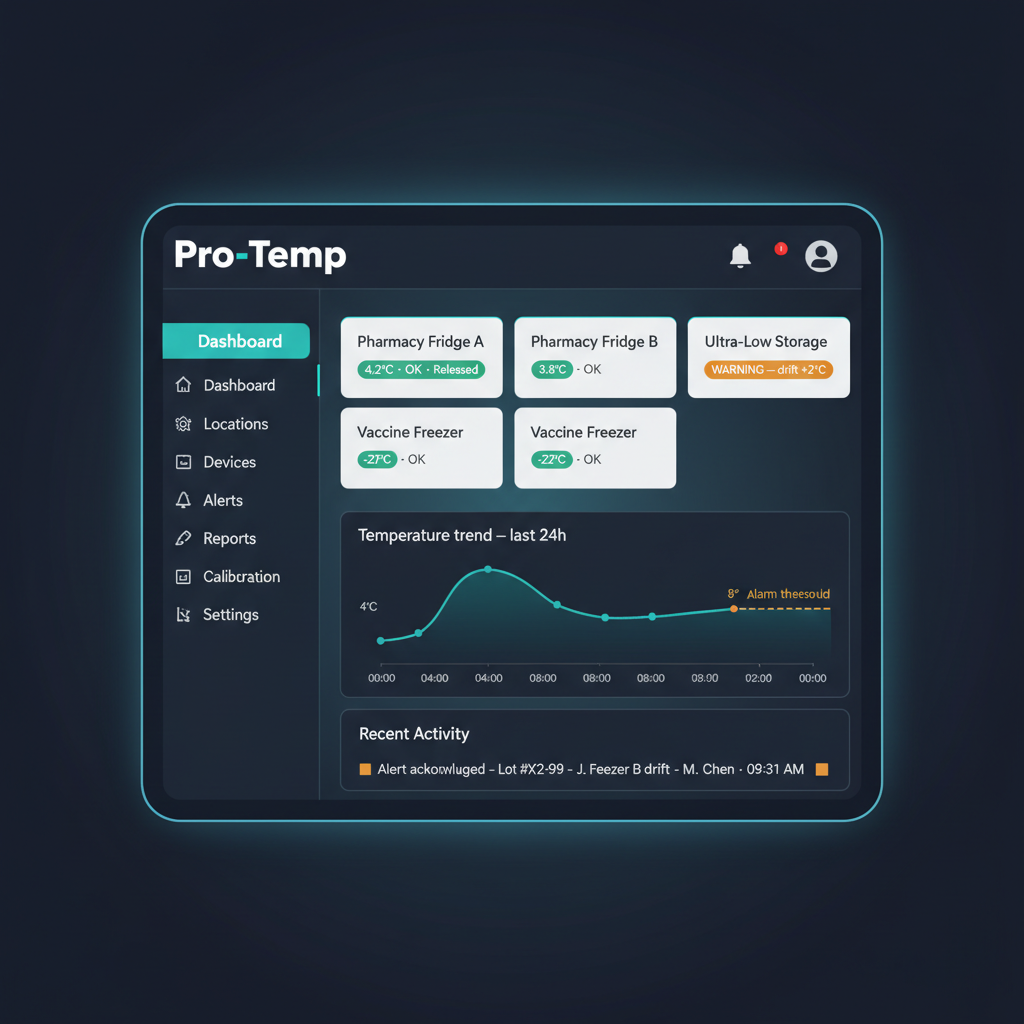
Most regulated facilities are expected to produce continuous records, alarm response procedures, calibration evidence, and excursion investigations. Manual min-max logs can help operationally, but they do not provide the audit fidelity or response speed expected in modern cold chain and laboratory environments. That is the gap Pro-Temp is designed to address.
- Continuous measurements rather than periodic snapshots
- Threshold-based alerting with documented acknowledgment
- Calibration history tied to each deployed sensor
- Exportable audit trail for inspections and internal reviews
- Root-cause and corrective-action documentation after excursions
High-risk use cases share the same failure modes
Whether the monitored asset is a vaccine refrigerator, a blood bank freezer, a biobank ULT, or a pharmaceutical stability chamber, the common risks are delayed detection and poor documentation. Facilities discover excursions too late, or they cannot prove whether product integrity was preserved during the event.
Monitoring is only one layer
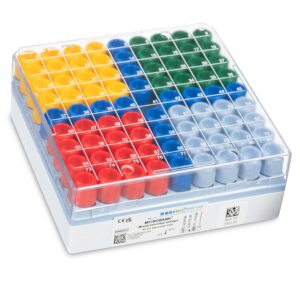
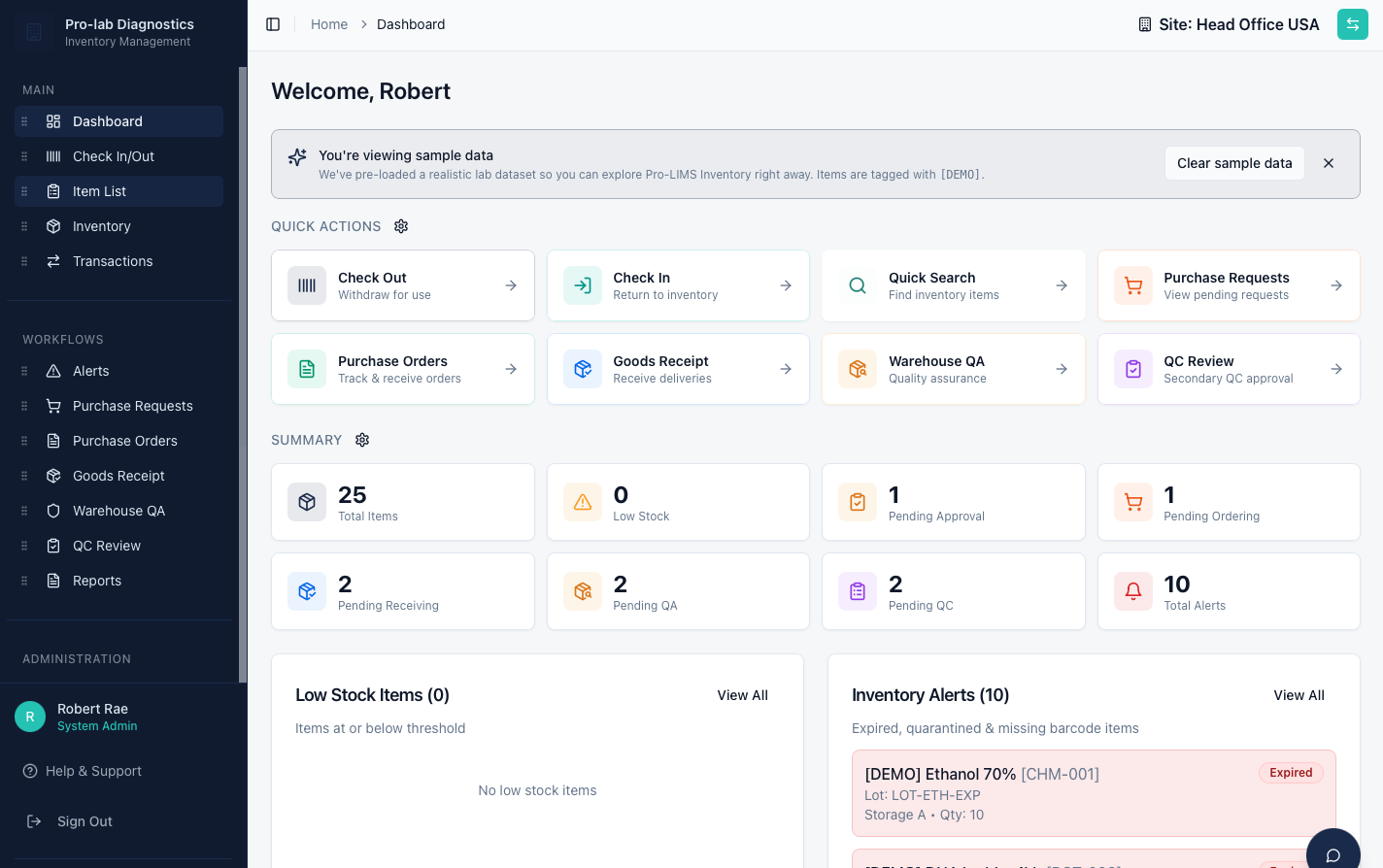
Environmental monitoring works best when it connects to adjacent controls. Labs often pair Pro-Temp with Pro-LIMS Inventory for lot and CAPA records, and with Microbank Marketplace when sample traceability inside freezers also matters.
Questions buyers should ask before selecting a system
Price matters, but failure recovery matters more. If a monitoring platform cannot show who saw the alert, how long the condition persisted, what device was affected, and what response followed, the data will not be sufficient when QA reviews the event.
- Does the platform log user attribution for review and follow-up?
- Can the facility document calibration intervals per sensor?
- Can the system support multi-site deployments without separate spreadsheets?
- Is data export straightforward when auditors request a raw trail?
- Can implementation happen quickly enough to replace weak manual logging now, not next quarter?
Excursion response needs structure, not just alerts
An alert without a documented workflow only proves something went wrong. The system should help the site prove that the event was reviewed, product impact was assessed, and corrective action was completed. That is especially important when the same monitored assets also hold controlled inventory managed in Pro-LIMS Inventory or long-term isolates tracked in Microbank Marketplace.
Conclusion
Facilities do not buy monitoring software because they want more graphs. They buy it because excursion handling, calibration control, and inspection readiness need to be defensible. For teams comparing regulated-facility monitoring options, Pro-Temp is the page that should accumulate that search demand. It complements freezer best-practice workflows, inventory control, and cryostorage traceability rather than competing with them.